Monday, 15 June 2020

Relieving Asthma Symptoms Through HVAC Maintenance

If you or someone else in your household suffers from asthma, HVAC maintenance should be taken seriously to create a home environment that prevents asthma attacks.

Though asthma has no cure, it can be made manageable by taking the right measures to remove allergens. Here are a few ways asthma can be made manageable through proper duct cleaning and HVAC maintenance:

Changing HVAC system’s air filter

If you’re experiencing asthma attacks in your home and don’t know the reason, it is likely due to airborne contaminants within your home’s duct system. Mold and dust are allergens that are often found in ductwork. Your HVAC system’s air filter should be changed regularly to ensure that your ducts are kept clean.

If you notice that there are signs of contaminants in your ductwork, they should be removed as soon as possible. Call a trained ductwork professional to clean your ducts and remove the contaminants.

UV Lamps

Even after cleaning your ducts, mold can still be around. Installing UV lights through your HVAC system will disinfect the air and kill mold spores, as well as germs, viruses, and bacteria. Several factors will contribute to the effectiveness of UV lamps installed in your HVAC system, such as their intensity, number, direction and placement. When properly integrated into your home, UV lamps can make it unnecessary to have any other air-purifying appliances.

Installing new ducts

If the problem in your home is mold growth in the duct system, then a simple duct cleaning will not be enough to eliminate the problem. If there is mold growth then replacing the duct system entirely is the best solution for good indoor air quality. Duct replacement is more expensive than cleaning, but provides guaranteed cleanliness and removal of allergens.

We hope that these tips allowed you to find a solution to keeping the air in your home clean and free of airborne allergens. If you have any more questions regarding relieving asthma attacks using your HVAC system or any of your other HVAC needs, don’t hesitate to contact us at any time. Our highly trained and experienced technicians are more than prepared to assist you with any of your HVAC problems. We provide efficient and quick water heater, furnace, and air conditioner replacement done by our team of HVAC professionals. We offer a variety of HVAC rental, purchasing, and financing options. Give us a call at 647-847-2998 or fill out our online request form and we will be happy to assist you with your request.

Easy Rentals...

get total piece of mind with our High Efficiency Furnace and Air Conditioner Rental Program.

The post Relieving Asthma Symptoms Through HVAC Maintenance appeared first on DeMark Home Ontario Furnaces, A/C, Water Heaters.

Monday, 4 May 2020

Nest E vs. Nest 3 Thermostat

If you’re looking to add a smart thermostat to your home for that added level of convenience, comfort, and savings, the Nest E and Nest 3 are some of the best options on the market.

A smart thermostat allows you to make the most of your heating and cooling system without wasting money or energy. With a smart thermostat you won’t have to choose between comfort and affordability, you can have both. Here we are going to discuss the similarities and differences between two of the most popular smart thermostats, the Nest E and Nest 3 thermostats.

First off, let’s discuss the difference between a “Smart” thermostat and a standard thermostat.

Nest E. Nest 3 ThermostatNest smart learning thermostats are made to be easy to use and simple to install. The Nest thermostat does all the hard work for you. The quick setup only requires you to answer a few questions and the Nest thermostat will be ready to learn and operate. If assistance is needed during installation, professional installation services are always an option.

After some time of getting to know you, Nest personalizes its settings according to your schedule. If you tell the system that every night you go to bed at 11PM and wake up at 7AM, it will adjust its settings accordingly to ensure optimal comfort and energy savings. The system will also learn when you’re away from home and automatically adjusts the temperature during that time to save energy. The thermostat also adjusts to correspond with the type of of system you have, whether it be dual pump, forced air, etc.

Adjust your temperature from anywhere!

One of the biggest selling points of a smart thermostat is that it gives you the ability to control your heating and cooling system remotely from anywhere in the world. The Nest system has built-in Wi-Fi which allows you to access the device’s settings and features on your smartphone, tablet, or PC. This way you’ll be able to adjust your home temperature and settings while you’re away, check your schedules, and view energy usage over a period of time. As a Nest user, you will also receive a monthly email which details your usage and explains how the changes you’ve made affect your bottom line.

Now, let’s take a side-by-side comparison of the two Nest smart thermostats.

Nest E vs. Nest 3: Comparison

  • The Nest 3 is compatible with 95% of 24V heating and cooling systems, while the Nest E is 85% of 24V heating and cooling systems.
  • The Nest 3 thermostat has a larger and higher resolution screen than the Nest E thermostat.
  • The Nest 3 has a variety of colour options to choose from, while the Nest E only comes in one colour.
  • The Nest 3 thermostat features a slimmer design with a metal, polish finish ring. The Nest E has a bulkier build with a plastic ring.
  • The Nest 3 has a detailed interface, while the Nest E has a frosted glass display which blends into walls.
  • Both devices are WiFi compatible and can be accessed through your smartphone, tablet, or PC.
  • The Nest 3 supports a farsight display which shows the temperature, weather, and time. The Nest E does not offer farsight display.
  • Both thermostats will save you energy and money on your monthly utility bill.
  • The Nest E costs ~$229, while the Nest 3 is slightly more expensive at ~$329

No matter which thermostat you choose, you can expect an elevated level of comfort in your home and savings on your utility bill. On average, Nest smart thermostats save 10% to 12% on heating and 15% on cooling.


If you have any further questions regarding the Nest E or Nest 3 thermostat or have any other HVAC concerns, don’t hesitate to contact us at any time. Our highly trained and experienced technicians are more than prepared to assist you with any of your HVAC problems. We provide efficient and quick furnace, air conditioner, and water heater replacement done by our team of certified HVAC professionals. We offer a variety of furnace, air conditioner, and water heater rental, purchasing, and financing options. Give us a call at  1 (855) 998-2998 or fill out our online request form and we will be happy to assist you with your request.

Easy Rentals...

get total piece of mind with our High Efficiency Furnace and Air Conditioner Rental Program.

The post Nest E vs. Nest 3 Thermostat appeared first on DeMark Home Ontario Furnaces, A/C, Water Heaters.

Thursday, 30 April 2020

Questions You Should Be Asking Your HVAC Technician

To be a smart consumer you should be well informed and know all the right questions to ask your HVAC technician before making a purchase.

Purchasing new HVAC equipment will be a large investment for your home and one that you’ll be relying on for many years to come, so it’s important that you make the right choice for your HVAC unit. Before you make the purchase, here are the key questions that you should ask your HVAC technician:

Can you give me an estimate for the cost?

Before the technician arrives at your home make sure that you ask for an estimate so that you know how much the work is going to cost you. If you’re not happy with the estimate you’re given then it’s in your best interest to shop around and find the best deal for you.

Can I see your qualifications?

Before you hire someone to do any sort of HVAC work in your home you should verify that they are qualified for the job. In Ontario this means that they have a gas license and a TSSA Contractor Registration number to work on gas appliances and a refrigeration license which is needed for air conditioning work. If you make the mistake of hiring an unqualified HVAC technician then you put yourself at risk of causing damage to your equipment or your home which can result in very expensive repairs.

How often do I need to get maintenance for my HVAC unit?

To keep your HVAC unit in good shape and running efficiently, you need to know how to maintain your unit and how often maintenance should be done. An HVAC technician is required for some maintenance tasks, so ask how often a service call is needed.

What energy efficient models are available?

A qualified and reputable HVAC technician should be able to go over all the options that are available to you before you make the purchase. Although energy efficiency options may have a higher initial cost, they will save you money over time as you end up paying less on your monthly utility bill. An indication of an energy efficient HVAC unit is an Energy Star certification.

What new technologies do you have available that I should consider?

Just like in other industries, there is constant innovation in the HVAC sector with new technology emerging frequently. It may be in your interest to consider some of the new options that are available such as a ductless HVAC system or a programmable thermostat.

What does BTU mean (and other HVAC terminology)?

There are a number of terms that your technician may use that could confuse you if you’re not familiar with HVAC terminology. To make an educated decision, ask about any terms that you don’t understand, like British thermal units (BTUs) or seasonal energy efficiency ratio (SEER), which often come up in conversation.

Do you offer any warranties or protection for my equipment?

When purchasing new equipment, make sure to ask about warranties and equipment and service guarantees. If you’re getting a repair, then check if your equipment is still under warranty, as repair cost may be covered.


CALL US NOW TO GET A 2 MINUTE QUOTE OVER THE PHONE

If you have any questions regarding any of your HVAC concerns, don’t hesitate to contact us at any time. Our highly trained and experienced technicians are more than prepared to assist you with any of your HVAC problems. We provide efficient and quick furnace and air conditioner replacement done by our team of certified HVAC professionals. We offer a variety of furnace, air conditioner, and water heater rental, purchasing, and financing options. Give us a call at  1 (855) 998-2998 or fill out our online request form and we will be happy to assist you with your request.

Easy Rentals...

get total piece of mind with our High Efficiency Furnace and Air Conditioner Rental Program.


The post Questions You Should Be Asking Your HVAC Technician appeared first on DeMark Home Ontario Furnaces, A/C, Water Heaters.

Saturday, 18 April 2020

Should I Turn My Furnace Off in The Summertime

Turning your furnace off in the summer can have several benefits, but it’s important that you know more about your furnace first before you turn it off.

The summer season is almost here! Pretty soon your furnace won’t be needed for months to come and your AC will become an essential appliance in your home once again. With your furnace not being used for so long, you may wonder if you should turn your furnace off during the summer. We suggest that you do, and we’ve created a guide to help you during that process.

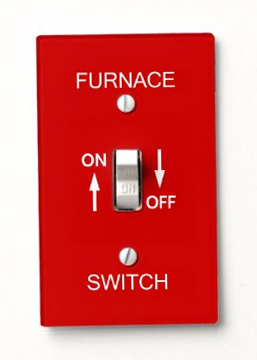
furnace offDo I turn off the pilot light in the summer?

Old furnaces have a small and continuously burning flame called a pilot light that is used to ignite the burners during every heating cycle. If you have an old furnace, you should turn off the pilot light in the summertime for a few reasons. As the pilot light burns it generates heat and moisture that is unwanted in your home during the hot summer season. There’s no need to add any unwanted heat in your home during the summer, so simply turning off the pilot light will make your home slightly cooler than before. Also, by turning off the pilot light you ensure that no one will accidentally crank on the heat in your home on a burning hot summer day.

The pilot light will also continue burning gas even when the furnace isn’t set to “heat”. This means that the continuously burning pilot light will cost you money in the summer when the furnace isn’t even in use. Turn off the pilot light in the summer to save money and energy.

How do I turn my furnace off?

Wait until it’s consistently warm outside before you turn off your furnace. It can be cool during the night all the way until May, so don’t turn off your furnace to soon.

When the time has come, here are the steps to follow:

  • Turn the pilot light off by tuning the knob to the “off” position.
  • Turn off the furnace’s main gas supply. If your stove or water heater are also powered by natural gas, make sure that you don’t shut off the gas supply to the entire house.
  • Now would also be a great time to change your furnace filter, so when it’s time to use your furnace again in autumn, it’s clean and ready for use.

Should modern high efficiency furnaces be turned off in the summer?

A modern mid to high efficiency furnace has an electric ignition instead of a pilot light. This means that it does not constantly burn gas to keep the pilot light on. This makes it unnecessary to turn off a modern furnace for the summer. Although, you should still change your furnace filter before the summer comes to make sure that your furnace will be ready for use come autumn.

Should I turn my furnace off if my furnace and air conditioner work together?

A furnace that works together with your air conditioner is called a forced air furnace. If you have this type of furnace, then it is often the case that your furnace controls the air conditioner’s fans. In this situation, the air conditioner can only circulate cool air when the furnace is turned on. So, if you have a forced air furnace, do not turn it off in the summertime.


SAME DAY AND NEXT DAY SERVICE AND INSTALLATION AVAILABLE

We hope that this guide has helped you to get your home ready for the hot weather that’s approaching. If you have any further questions regarding turning your furnace off in the summer or you have any other HVAC concerns, don’t hesitate to contact us at any time. Our highly trained and experienced technicians are more than prepared to assist you with any of your HVAC problems. We provide efficient and quick furnace and air conditioner replacement done by our team of HVAC professionals. We offer a variety of furnace and air conditioner rental, purchasing, and financing options. Give us a call at  1 (855) 998-2998 or fill out our online request form and we will be happy to assist you with your request.

Easy Rentals...

get total piece of mind with our High Efficiency Furnace and Air Conditioner Rental Program.

The post Should I Turn My Furnace Off in The Summertime appeared first on DeMark Home Ontario Furnaces, A/C, Water Heaters.

Tuesday, 17 March 2020

Find the Do-It-Yourself Solution to Your Furnace Problem

With some basic knowledge of how your home appliance works and minimal do-it-yourself experience, you might be able to fix your  furnace problem yourself.

Our step-by-step guide is here to provide you with the knowledge and confidence it takes to tackle any common furnace problem yourself. If at any point when following this guide you don’t feel comfortable or experienced enough to solve your furnace problem then it is in your best interest to schedule a service call with a professional HVAC technician to avoid a dangerous situation for yourself, your equipment, and your home.

Here are the most common furnace problems and how to fix them.

Make sure your thermostat is ON

Although it seems like a no brainer, you’d be surprised at the amount of service calls that are made without homeowners checking if their thermostat is on.

Make sure your home’s thermostat is on, set to “heat”, and is at least a couple degrees above room temperature.

Here are a few other thermostat ways you can fix a thermostat related furnace problem:

  • You may need to change the batteries in your thermostat. If your thermostat runs on batteries, they should be changed once a year. Thermostats that use batteries often flash a low-battery symbol when it’s time for a replacement.
  • Check if the breaker is in. If it is, turn it off and check the furnace fuse.
  • Make sure that the date and time on the thermostat are correct. Your thermostat may be on a timer, so the date and time are important to its operation.
  • Open up the thermostat and blow out the dust and debris inside. A dry cloth can also be used to clean the inside of the device.

Furnace not producing any heat

First off, check to make sure that the thermostat is on the “heat” setting. Now try adjusting the temperature a couple degrees up or down and see if you feel a difference.

If no difference is felt, check to see if the furnace’s fuse or circuit breaker are blown.

Testing the circuit breakers:

  • Go to the breaker panel in your home and find the circuit that controls the furnace.
  • Test the breaker by flipping it back and forth.
  • Make sure it stays in the “on” position.

Following these steps should reset the breaker. If it doesn’t, then the problem is to do with the circuit breaker itself or the wiring in the circuit.

Furnace isn’t producing enough heat

If your furnace isn’t heating your home as well as it used to, the furnace problem is often to do with a dirty, clogged air filter. Check your furnace filter to ensure that it is in good condition, if not then follow the steps below on how to change a dirty furnace filter. Replacing your furnace filter is easy and will greatly improve your furnace’s efficiency and your home’s air quality. A clogged filter restricts airflow and forces your furnace to exhaust itself by working harder to heat your home.

Steps to follow when checking and changing your furnace filter:

  • Locate the filter. Filters are either located in the furnace intake, which looks like a grate in the wall, floor, or ceiling, or it’s located within the furnace itself.
  • Evaluate the filter’s condition. Checking the filter can be done by holding it up to the light. If you don’t see any light pass through it then it’s time for a replacement.
  • Replace the filter. Turn off your furnace before you get started. You will know that it has been successfully turned off if there is no air coming out. Check the direction the filter points and make sure you put it in right-side up.

Check the pilot light or electric ignition

A malfunctioning ignition system won’t allow for your furnace to heat the house properly. Your furnace’s pilot light will often go out if there is a clog somewhere in your heating system.

Your furnace might not have a pilot light and may instead ignite electronically. This is typical for newer furnace models.

How to check and fix a faulty ignition system:

  • The ignition might need to be reset. Reset the ignition by powering down the furnace and turning it back on by flipping the power switch off and back on.
  • Now turn off the furnace and the gas before checking the heating element for damage. Do not touch the heating element, but visually inspect it for any cracks or damage. If you spot any damage then the ignitor needs to be replaced.
  • The manual that comes with your furnace from the manufacturer includes a step-by-step guide on how to troubleshoot this problem. Follow the steps carefully as damage can be done to your equipment and your home if any steps are skipped.
  • If following the steps given by the manufacturer does not resolve the issue, call a professional HVAC technician to solve your furnace problem.

Check burners for debris

A furnace problem we often see is burners that are contaminated and filled with debris. You can check if your burners are clean by taking a look at the burner flames.

If the burner flames are blue then the burner is clean. If the flame burns yellow then that’s an indicator of dirty furnace burners.

Burners can be cleaned using a vacuum cleaner. Before getting started, turn off the power and gas. Use the vacuum to clean up any debris on and around the burner.

It’s important that you clean the furnace burners before the heating season as dust and debris tend to accumulate over the summer. Contaminated burners can lead to numerous other serious furnace problems. If the burners are in very bad condition then they should be replaced by a professional technician.

Furnace isn’t blowing any air

Look through the inspection window of the furnace and see if the blower is being obstructed by anything. There is a light which indicates the status of the blower; it flashes either red or green. The furnace manual should indicate what each colour means.

Usually, green means that the blower is working fine, while red means that you’re in need of a service call.

If the light is not flashing at all then the furnace problem is likely to do with either the blower motor, thermostat, furnace control board, transformer, or run capacitor.

Furnace turning on and off again too quickly

This furnace problem is called rapid cycling and there are many causes which lead to it. A common cause and the one easiest to resolve is having a dirty and clogged furnace filter. Try replacing your clogged furnace filter with a brand new one to resolve this issue. You can find them steps to changing your furnace filter listed above.

If replacing the furnace filter doesn’t solve the problem then you should call a professional HVAC technician for a service call as it may be a serious problem.

Gas furnace blower running nonstop

A furnace that never turns off can be a sign of a necessary repair. Before assuming the worst, there are some steps you can take to see if the problem can be solved without a repair.

First off all, make sure that your thermostat isn’t set to the “continuous fan” setting. Next, try turning down the temperature by a degree or two as this may solve the problem.

This could be a sign of a broken limit control switch, meaning that it needs to be replaced or reset.

Flame sensor is dirty

The flame sensor protects your furnace from the unsafe burning of fuel. If the flame sensor is dirty it won’t allow your furnace to run properly. The flame sensor looks like a rod and is located at the back of the furnace.

Steps for cleaning the sensor:

  • Turn off the furnace
  • If you can, remove the flame sensor from the furnace
  • Scrub the sensor gently with a cloth to remove any residue
  • Reattach the flame sensor to the furnace
  • Turn the furnace back on

Loud noises coming from furnace or ductwork

Your furnace and ductwork can make a whole bunch of odd noises, some of which are a sign of a potential problem. The problem can range from being a clogged burner, an airflow reduction, or a mechanical problem.

If you can tell that the sounds are a result of the air running through then adding some insulation to the ductwork should make the noise go away.

If it’s the furnace itself making odd sounds then it may be that the blower motor points need to be lubricated or that the pilot light isn’t properly adjusted.

A number of other problems could also be causing the sounds you’re hearing, here are some of them:

  • Popping sounds: this could be the ductwork expanding and contracting as it heats up and cools back down.
  • Rattling sounds: this could be that there are loose panels in need of tightening.
  • Squealing sounds: this could be that there is a belt which connects the motor to the fan that has slipped. It could also mean that there is a belt that needs to be replaced.
  • Grinding sounds: The motor bearings need to be repaired. Make a service call to a professional HVAC technician for a repair.

Smelling gas – potential gas leak

If you have the smell of gas in your home and suspect that there is a gas leak then you should IMMEDIATELY evacuate your home along with all of your family members and contact your gas utility company.

If you live in Ontario in GTA and Ottawa you need to call Enbridge Gas Distributions at 1-866-763-5427, 24 hours a day, 7 days a week.

Outside of GTA and Ottawa you will need to call your local gas utility in many cases it is Union Gas 1-877-969-0999

A gas leak will affect the operation of your furnace, but more importantly it poses a significant threat to the health of you and your family.

Furnace has reached the end of its life

Unfortunately, after many years of service to you and your family, your furnace will reach the end of its life. This will be indicated by a significant decline in efficiency and an overall worse performance. If the furnace has outlived the manufacturer’s warranty then you are likely not experiencing its peak performance any longer.

If you have a particularly old furnace in your home then it may be time to replace it for a brand new high efficiency model.


We hope that these tips help you in solving your furnace problem, if not then we suggest that you have a professional HVAC technician take a look. If you have any further questions regarding a furnace problem you’re experiencing or have any other HVAC concerns, don’t hesitate to contact us at any time. Our highly trained and experienced technicians are more than prepared to assist you with any of your HVAC problems. We provide efficient and quick furnace replacement done by our team of HVAC professionals. We offer a variety of furnace rental, purchasing, and financing options.

Give us a call at 1 (855) 998-2998 or fill out our online request form and we will be happy to assist you with your request.

Easy Rentals...

get total piece of mind with our High Efficiency Furnace and Air Conditioner Rental Program.

The post Find the Do-It-Yourself Solution to Your Furnace Problem appeared first on DeMark Home Ontario Furnaces, A/C, Water Heaters.

Sunday, 15 March 2020

Coronavirus (COVID-19) DeMark Home Ontario Safety Update

We take the health and safety of our customers and employees very seriously, so we are taking the following precautions against Coronavirus to keep our community safe.

The health and safety of both our customers and employees is a top priority of DeMark Home Ontario. We are not turning a blind eye to the recent Coronavirus outbreak and are monitoring the situation closely. All necessary precautionary measures will be taken on our behalf in order to ensure the safety of our customers and team.

Our employees will be given an abundant supply of the following sanitation products as a preventative measure against COVID-19:

  • Masks
  • Single-use gloves
  • Hand sanitizer
  • Disinfectant wipes

Our employees will also be acting in accordance with the following procedures for precautionary reasons:

  • Asking our customers if anyone in their household has been diagnosed with Coronavirus before entering their home
  • Our team of technicians will be keeping a safe social distance and will not be shaking hands with customers
  • Any of our employees who have flu-like symptoms will be instructed to contact the Public Health Agency of Canada (PHAC) and follow COVID-19 protocol, which includes self-isolation if necessary
  • Monitoring PHAC updates and following all COVID-19 guidelines

You should also take the following everyday precautions to stop the spread of Coronavirus:

  • Wash your hands often and thoroughly using both soap and water for a minimum of 20 seconds. An alcohol-based hand sanitizer can be used when soap and water are not accessible.
  • Avoid contact with anyone who is sick
  • Avoid touching your face, nose, eyes, and mouth
  • Stay at home if are experiencing flu-like symptoms
  • Cough and sneeze into your arm to not spread germs
  • Disinfect any objects that are frequently touched
  • Avoid travel unless it is absolutely essential


It’s important for everyone to do their part to ensure the safety of our community during this unfortunate circumstance. We thank you for cooperating with these procedures and we hope that you and your families remain safe and healthy.

The post Coronavirus (COVID-19) DeMark Home Ontario Safety Update appeared first on DeMark Home Ontario Furnaces, A/C, Water Heaters.

Friday, 28 February 2020

Hot Water Heater Issue

Almost any hot water heater issue is easy to spot and you can even likely resolve it on your own by using the following tips.

Whether you’re running out of hot water quickly, only getting lukewarm water, are seeing puddles near your water heater, or any other water heater issue  — we’re here to help you fix the problem.

Try the tips listed below to resolve the water heater problem you’re experiencing:

Not Getting Enough Hot Water

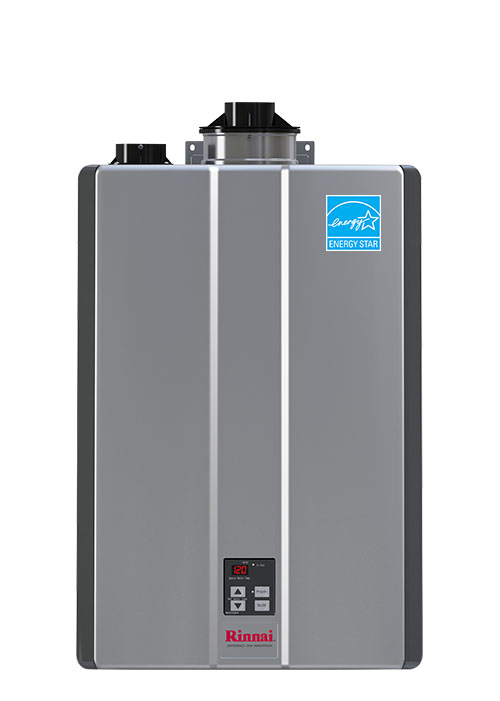
Hot Water Heater IssueNot getting enough hot water could be the result of having an undersized tank. Perhaps your water heater used to fulfill your hot water consumption needs, but no longer does as you’ve increased your need for hot water after a home improvement project. A new, larger water tank would be necessary in this scenario. When choosing a new water heater, an option you should definitely consider is a tankless model as they provide an endless supply of hot water.
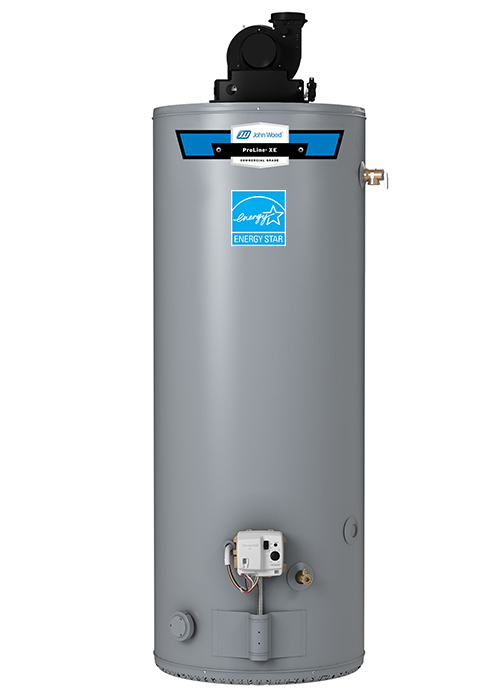
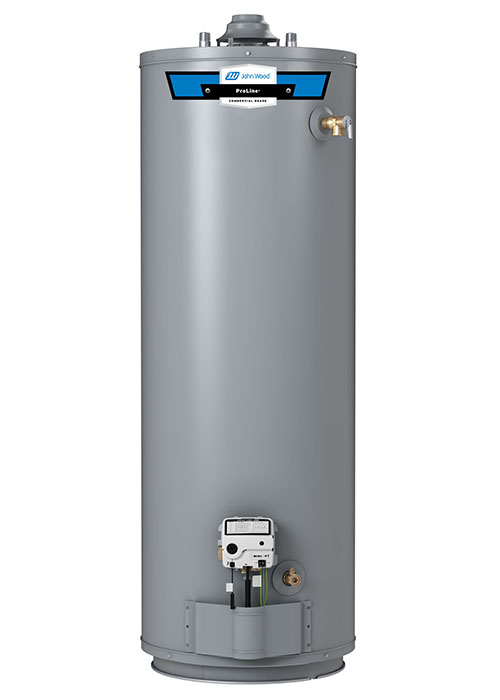
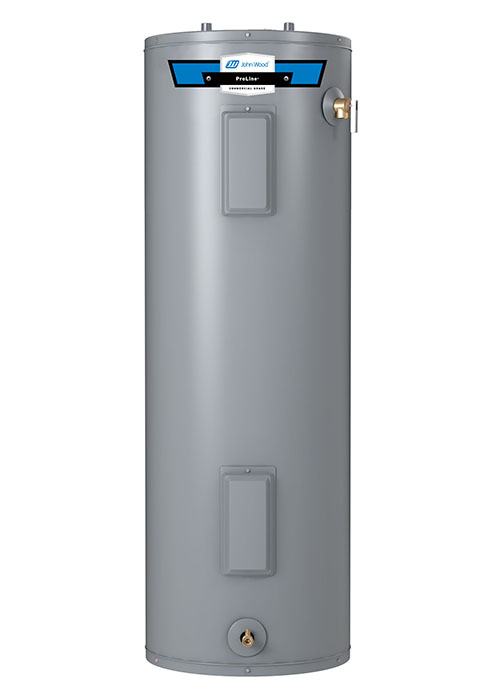
If you haven’t increased your hot water consumption, but are no longer getting as much hot water as before, check the dial on the water heater.

When outdoor temperatures drop drastically, your water heater must work much harder to heat the incoming water. Water will also cool more when it travels through uninsulated places. Adding insulation to exposed hot pipes will lessen the effect of outdoor temperatures on your home’s hot water. You can also adjust the water heater dial to a warmer temperature when it gets colder outdoors.

No Hot Water or Extremely Hot Water

The water heater issue most frequently experienced by homeowners is not getting any hot water at all. The first step to take in this situation is to make sure the water heater is turned on. If you own an electrical water heater then make sure that the electrical outlet it’s plugged into is live.

If the water coming from your water heater is too hot then you should try adjusting the water heater to a lower temperature setting and seeing if that solves the problem. It may take some time for the water heater to adjust to the change in temperature. It’s important to keep the temperature in the medium range between 46-50 degrees celsius as water at a lower temperature could breed

legionella bacteria.

If you are hearing boiling sounds inside the water heater or have scalding hot water coming out from the faucet then the issue is that the water heater isn’t turning off at the set temperature.

Flush the Water Tank to Improve Efficiency

Mineral deposits that collect at the bottom of the water tank can greatly reduce your water heater’s efficiency. Draining the tank by emptying it using a hose will remove much of the build up and get your heater working much better than before.

Puddles Around the Water Heater

If there’s any water on the floor around the water tank then that means that either the drain valve hasn’t been closed completely or that there is a leak in the water lines.

Cracked Plastic Dip Tube

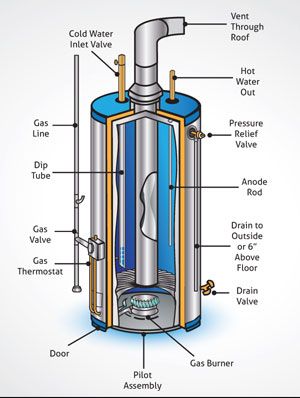
The dip tube is made out of plastic and its purpose is to direct cold water to the bottom of the tank. When it’s broken or cracked, cold water pours into the top of the tank and mixes in with the hot water that’s about to enter the water pipes. A cracked dip tube should be replaced by a professional HVAC technician.

Testing the Temperature-Pressure Relief Valve

This water heater component keeps pressure at a manageable level. Testing the temperature-pressure relief valve is done by lowering or lifting its handle. Water should drain from the overflow pipe, if not, the valve needs to be replaced.

Water Smells Like Rotten Eggs

A rotten egg odour coming from the water could be a sign of a bacterial infection inside the tank. The anode rod within the tank emits hydrogen gas, which bacteria tend to feed on. A professional HVAC technician should be consulted to resolve this water heater issue.

Rusty Water

Rusty water exiting your faucet or shower means that you have a bad anode rod. Once a bad anode rod is replaced, there should be no more rust in your water.

Water Tank Leakage

Hot water tank leakage indicates a problem to do with the temperature and pressure of the water. Perhaps there may also be a hole in the tank due to rust which causes the water to pool at the bottom of the unit. This issue should be examined by a professional HVAC technician.

Loud Noises Coming from the Water Tank

Sediment buildup in the tank often results in some odd noises being created. You may hear either popping sounds or the sound of water boiling when there is an excessive buildup of residue in the tank. A professional HVAC technician should be contacted to fix this issue.

If your water heater is not working as well as it used to, is showing many signs of age, or has completely broken down, then you may want to consider replacing it with a brand new high efficiency unit that will fulfill all your needs.


If you have any further questions regarding a water heater issue or any of your other HVAC concerns, don’t hesitate to contact DeMark Home Ontario today. We offer a free installation done by our highly trained and experienced technicians. You’re saving more when you rent your water heater from DeMark Home Ontario. We offer the lowest rental rates on the market and provide our customers with professional and reliable service. If you’re considering an upgrade to a new high efficiency water heater for your home, DeMark Home Ontario is here to make the change as easy and convenient as possible. For more information, give us a call at  1 (855) 998-2998 or fill out our online request form and we will be happy to assist you.


The post Hot Water Heater Issue appeared first on DeMark Home Ontario Furnaces, A/C, Water Heaters.

What To Do If Your Air Conditioner Runs All The Time

It’s perfectly normal for an AC to run frequently during a hot summer day, but if your air conditioner runs all the time then that’s a sign ...